Embodied AI and planning
Organize geometric and semantic evidence in assembly knowledge graphs, use LLMs to propose actions, and verify and refine them through physical simulation.
- Assembly Knowledge Graph
- LLM-guided Planning
- Physics Verification
ZITENG WANG · WANG ZITENG
PhD student in Computer Science · Beihang University
I study how people perceive, interact and act in virtual and physical environments. My current work spans embodied AI, VR/AR, human–computer interaction, and knowledge-driven assembly and disassembly planning.
RESEARCH
My work began with VR input and multi-object manipulation and now extends to embodied data, knowledge representation and executable planning. I develop methods and systems, run user studies and evaluate physical feasibility.
Organize geometric and semantic evidence in assembly knowledge graphs, use LLMs to propose actions, and verify and refine them through physical simulation.
Design touch, gaze and bare-hand interactions for text entry, multi-object selection, spatial arrangement and collaboration.
Build multi-camera capture systems, 3D hand perception, robot retargeting, on-device Android applications and AI agent platforms.
CURRENT FOCUS
How can we make language-model disassembly plans physically executable?
I extract contact relationships and geometric attributes from CAD assemblies and enrich them with part functions and assembly semantics. A planner proposes sequences from structured states; a simulator checks collisions and blocking, then returns failure evidence for the next reasoning step.
PUBLICATIONS
Six published papers on immersive interaction and multimodal perception. Each page explains the method, experimental evidence and citation details.
Dynamic Parallel Disassembly and Tasking connects simulation-validated planning, parallel task sets, and proximity-aware allocation for collaborative VR.
A Transformer uses disassembly-sequence and part-history features to predict removal candidates for interactive VR guidance.
Scene-aware selection and auxiliary manipulation structures support controller-free arrangement of many occluded objects in VR.
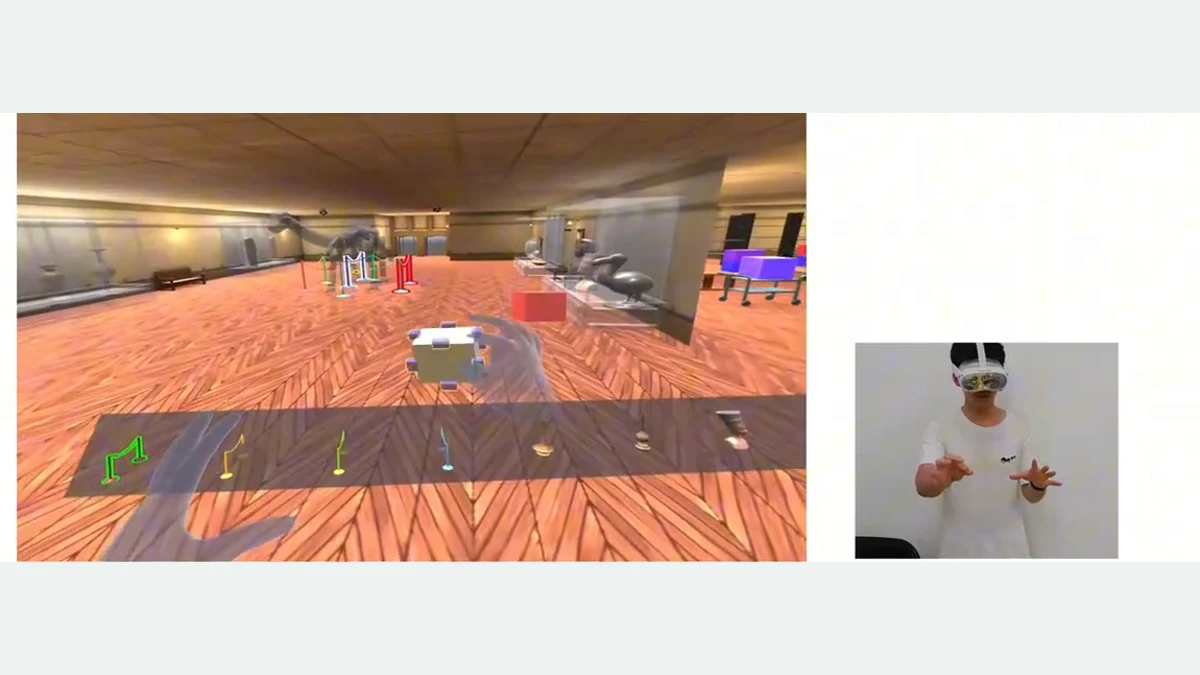
A two-box interaction metaphor maps an object enclosing box to a proxy box for bare-hand group-based and object-based alignment in VR.
Brain connectivity graph representations align EEG, video, and motion for multimodal cybersickness recognition.
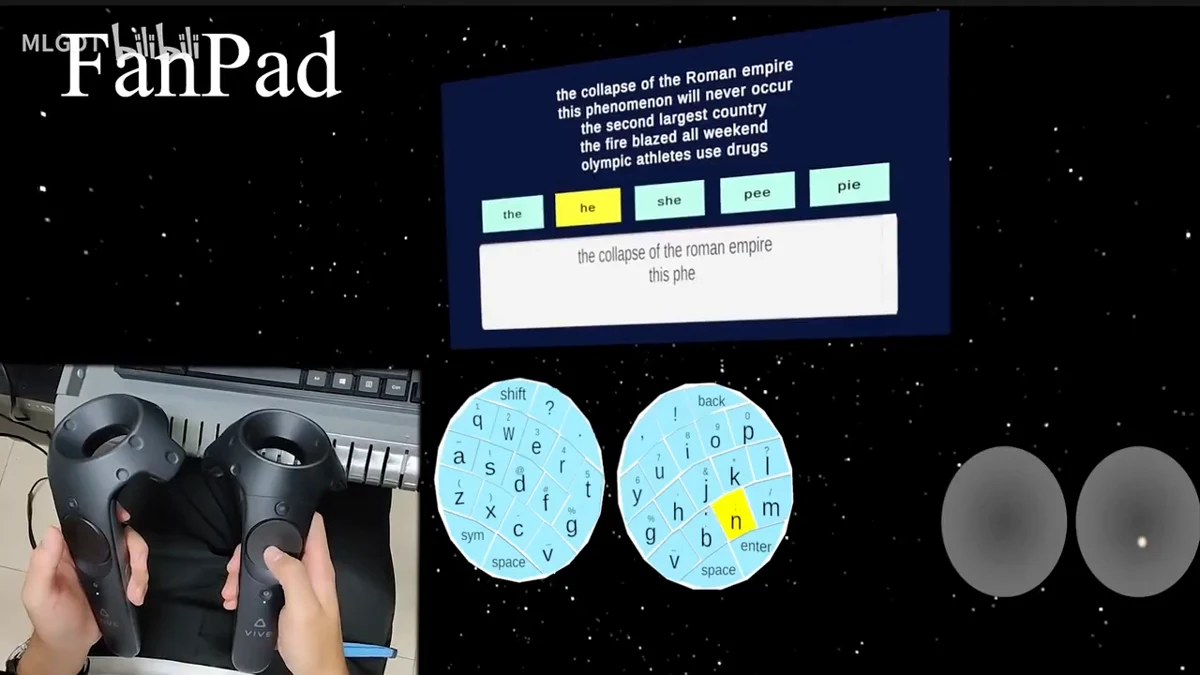
A curved, customizable QWERTY layout follows thumb movement on two VR controller touchpads.
SELECTED SYSTEMS
ANDROID · COMPUTER VISION
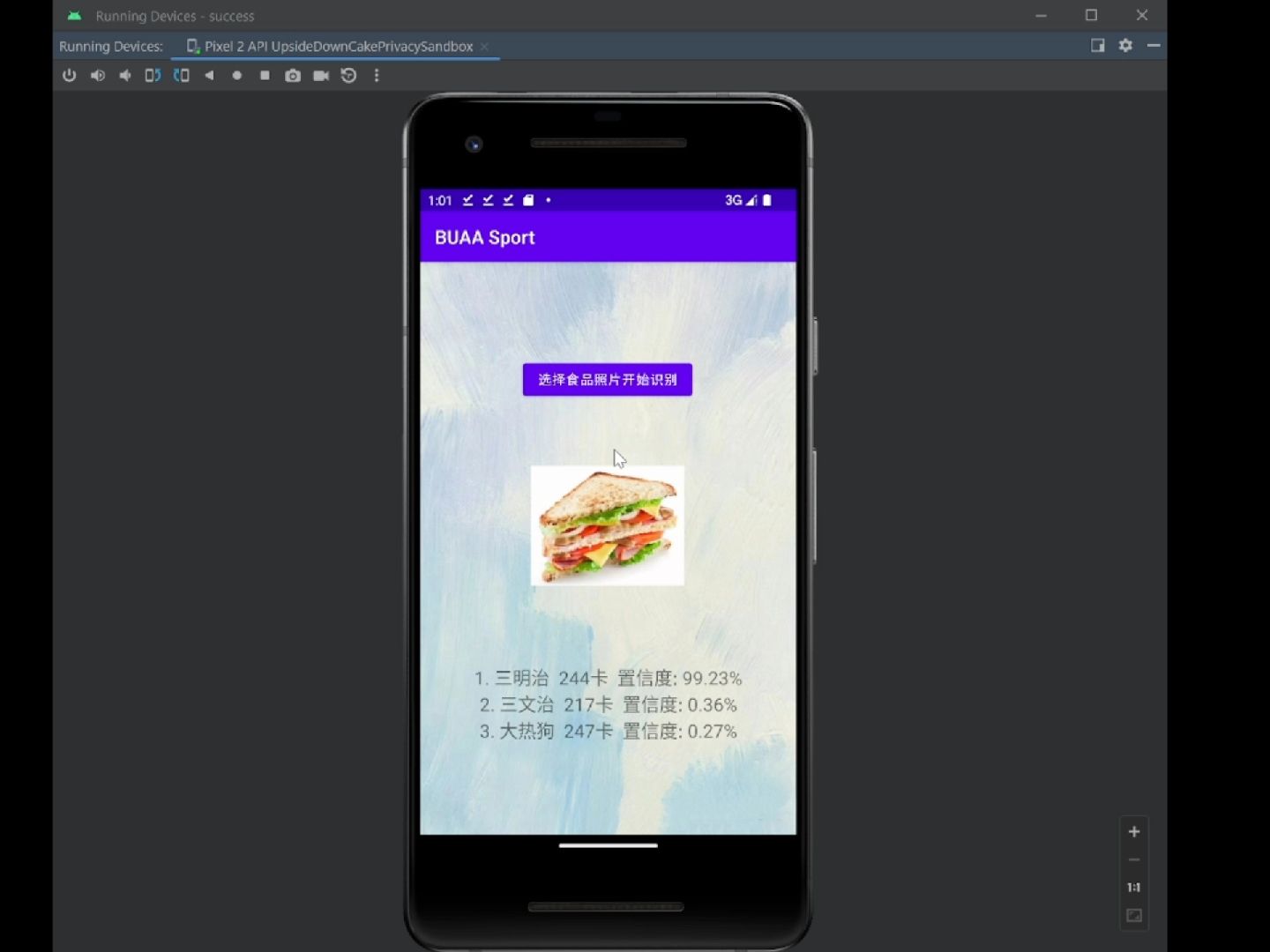
A mobile prototype that connects motion input, visual recognition and immediate feedback for sports activities.
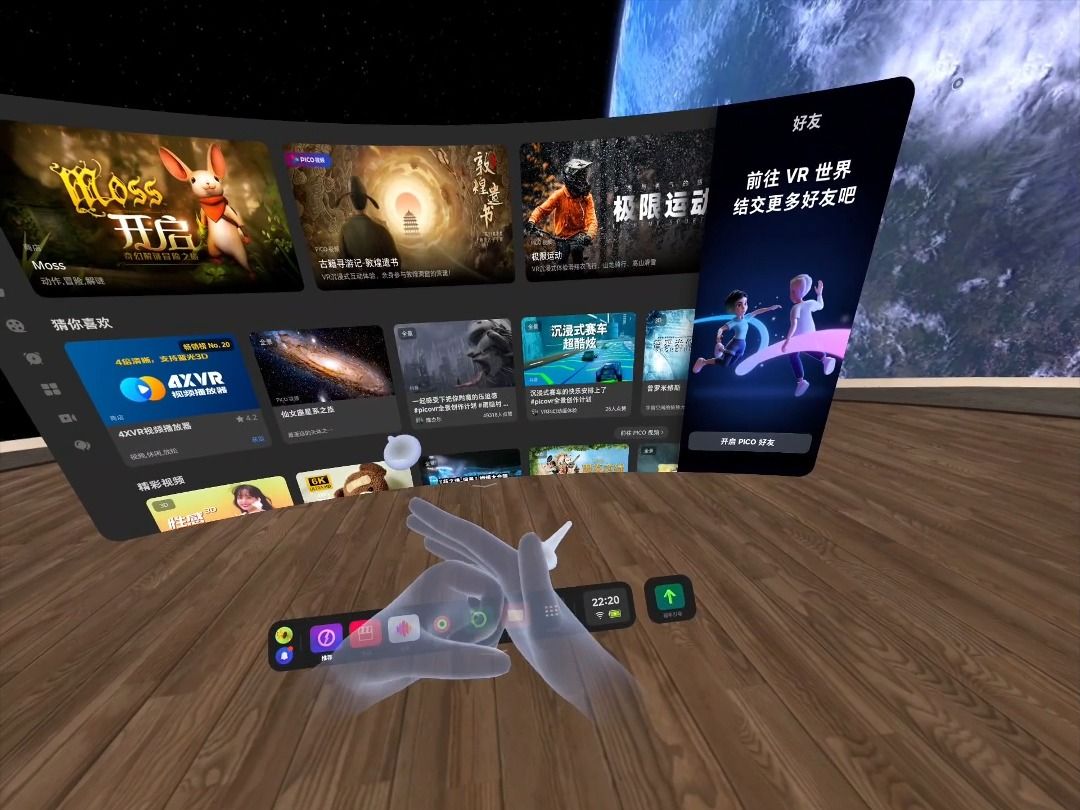
HAND TRACKING · DEVICE TEST
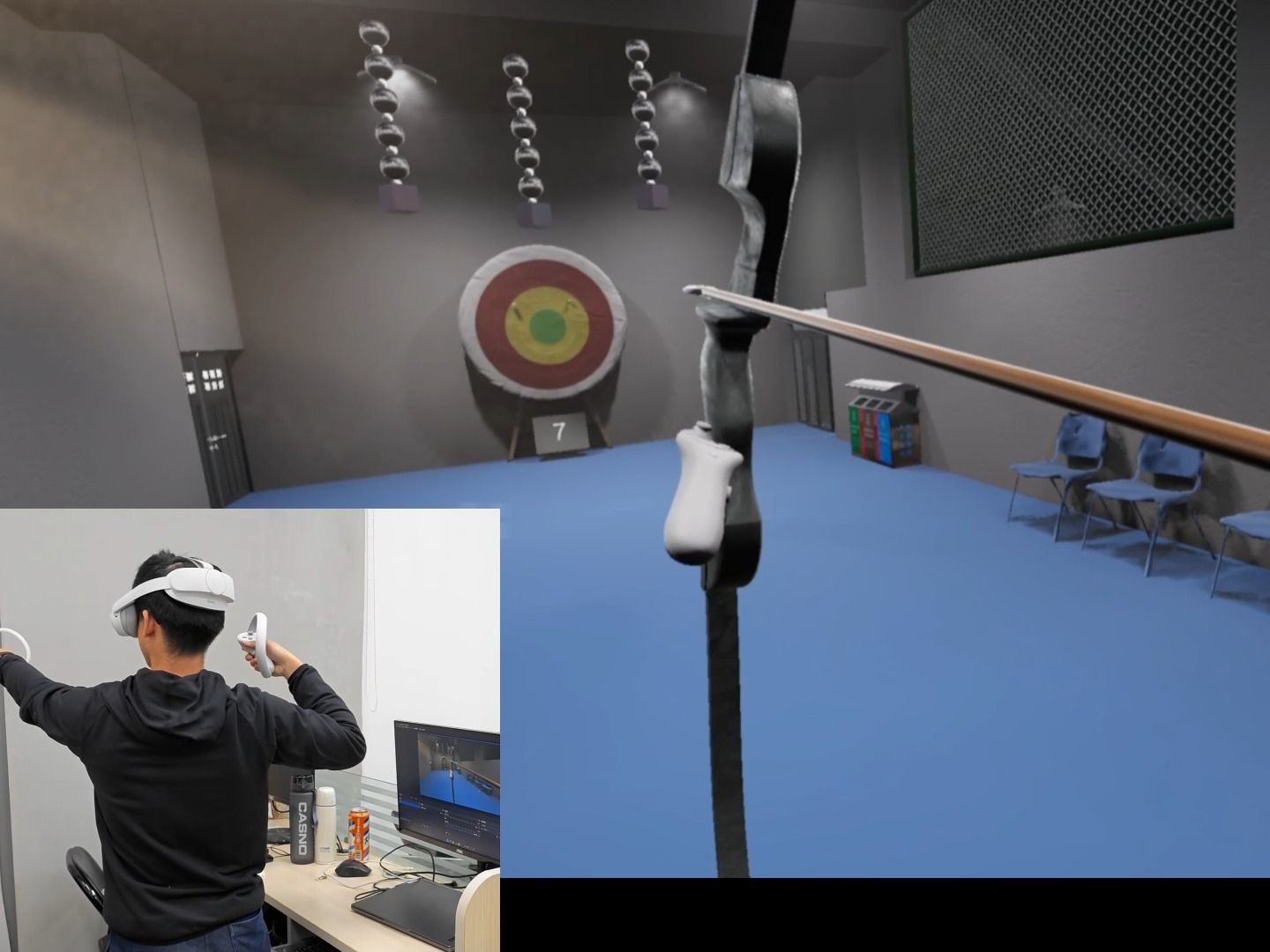
Test the headset's native hand tracking during interaction, examining its tracking range, occlusion behavior and stability.
OPEN SOURCE
BACKGROUND
Alongside research, I build systems that put methods into practice.
EDUCATION
PhD student at the School of Computer Science and Engineering, State Key Laboratory of Virtual Reality Technology and Systems. Research in embodied AI, VR/AR and HCI.
EDUCATION
Bachelor's degree, GPA 3.78 / 4.00. Outstanding Graduate of Beihang University.
ENGINEERING
Engineering work on Android AI glasses, multi-sensor capture, data quality checks, camera calibration, hand perception and robot retargeting.
TEACHING
Teaching assistant for Data Structures and Artificial Intelligence.
ARCADE
Small experiments beyond research: six browser games exploring physics, strategy and controls. Pick one and play.
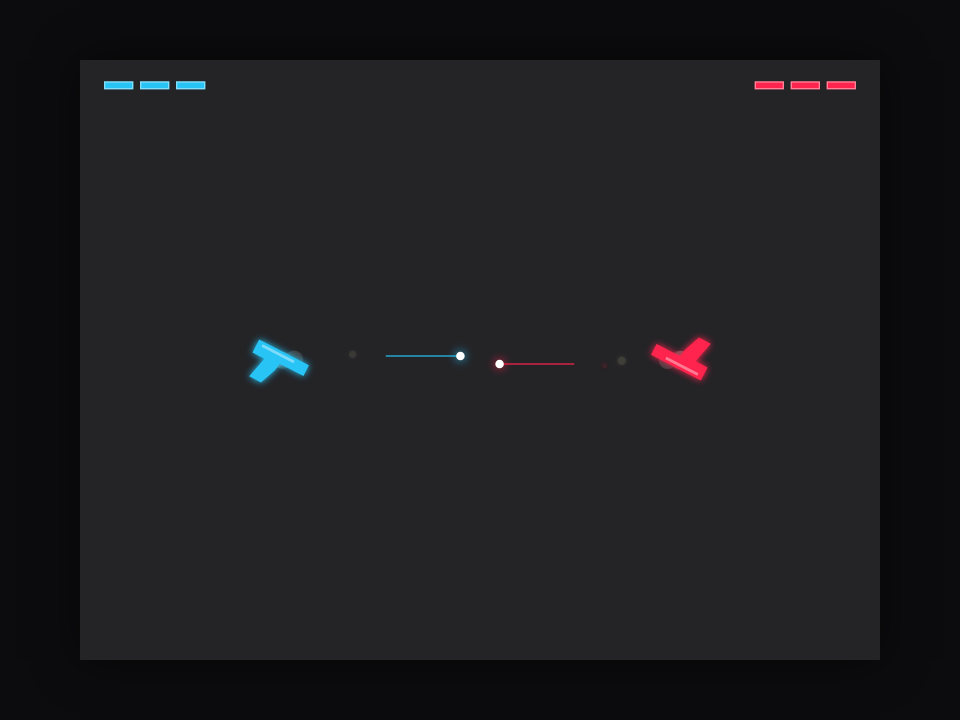
Physics · Solo or local multiplayer
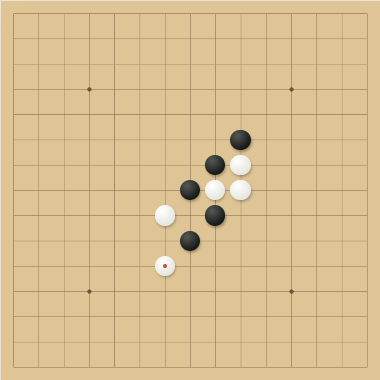
Strategy · AI or two players
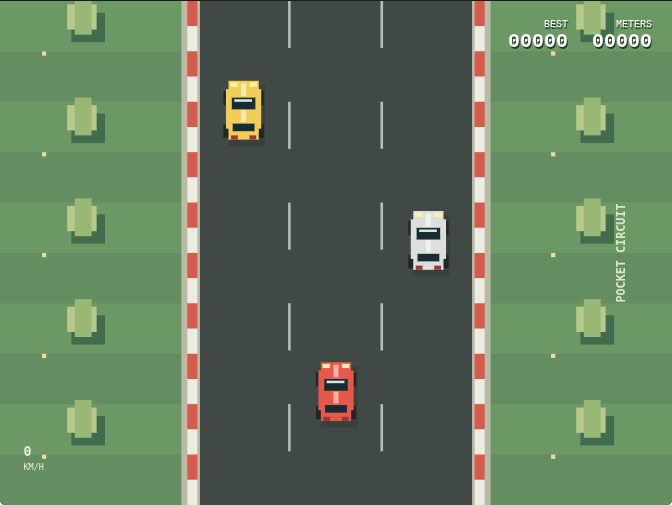
Racing · Traffic and timing
INVESTMENT NOTES
Start with public sources, understand market rules and information timing, and compare strategies under consistent conditions. Document sources, assumptions and validation methods.
Read policy releases, statistics, exchange disclosures and industry news at their original sources.
Browse the sources 02Separate events, release dates and later revisions. Record assumptions and check for future information leaking into a simulation.
Read the workflow 03Compare four templates with the same cash flows, costs and execution constraints so results can be explained and checked.
View the templatesARCHIVE
Course notes, experiment logs and essays, preserved in their original languages.